
The Cost of Silence: Why Good People Don’t Speak Up (Ep. 53)
Why do good people remain silent when they see problems that need to be addressed? The problem schools face is not always that there is too much conflict. Sometimes the greater problem is too little: people hold back concerns, avoid questioning decisions, remain quiet about problems that everyone can see, or simply disengage.
Harvard Business School professor Amy Edmondson, whose groundbreaking research introduced the concept of psychological safety, and civic leader Rich Harwood, founder of The Harwood Institute and author of The New Civic Path, join host Ken Futernick to examine the forces that produce silence—and what leaders can do to overcome them.
They explore how fear of criticism, the pressure to “get along,” and repeated reform efforts that promise much but deliver little can leave teachers and community members cynical, exasperated, and reluctant to speak. Silence, they explain, seldom means that people don’t care. It often means they no longer believe speaking up will make a difference.
Through compelling stories from schools, communities, and other organizations, Edmondson and Harwood describe how leaders can create the trust needed for honest dialogue and collective action. Their conversation explores the importance of humility, inquiry, shared aspirations, and the willingness to keep showing up. It also considers how educators can create classrooms where students feel safe expressing uncertain or unpopular ideas.
The result is a hopeful and practical conversation about moving beyond merely getting along—and learning how to face difficult truths and work together.
Through stories from schools, communities, and organizations, they explore:
Why silence is not always evidence that people don’t care
How repeated, short-lived reforms produce cynicism and disengagement
Why leaders should lead with inquiry rather than arrive with ready-made answers
The difference between an invitation to participate and an entreaty to build something together
How humility and courage work together in effective leadership
Why schools need protected spaces for exploration, experimentation, and honest critique
How teachers can create classrooms where students feel safe expressing uncertain or unpopular ideas
The conversation offers a hopeful but demanding message: trust cannot be announced or installed through a new initiative. It must be earned through listening, consistency, shared purpose, and the willingness to keep showing up.
Notable Moments:
00:00 — Why good people stay silent
02:48 — Amy Edmondson on psychological safety
08:35 — From getting along to working together
12:50 — Why school transformation often begins in the community
15:15 — When politeness becomes the real priority
21:15 — Moving from problems to shared aspirations
26:31 — How one teacher built trust with parents
30:01 — The silent math teacher—and what leaders misunderstood
33:26 — How failed reforms create cynicism
39:02 — Lead change by naming history and asking questions
42:10 — Invitations versus entreaties
46:57 — Why organizations need an exploratory mode
48:47 — Leaders don’t need to have all the answers
50:52 — Why students are increasingly afraid to speak up in class
54:56 — Protecting unpopular voices in the classroom
Featured Guests:
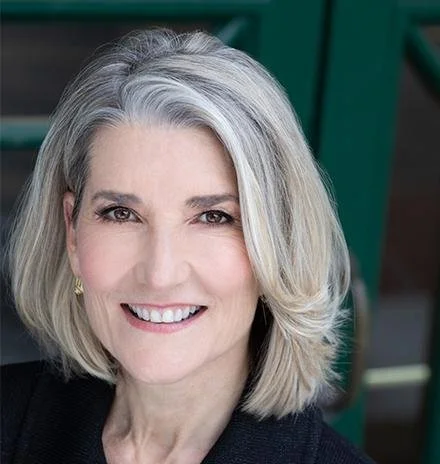
Amy C. Edmondson is the Novartis Professor of Leadership and Management at Harvard Business School, a chair established to support the study of human interactions that lead to the creation of successful enterprises that contribute to the betterment of society. She has pioneered the concept of psychological safety for over 20 years and was recognized in 2021 as #1 on the Thinkers50 global ranking of management thinkers.
She is the author of Teaming: How Organizations Learn, Innovate, and Compete in the Knowledge Economy (2012), The Fearless Organization: Creating Psychological Safety in the Workplace for Learning, Innovation, and Growth (2018), and Right Kind of Wrong: The Science of Failing Well (2023).
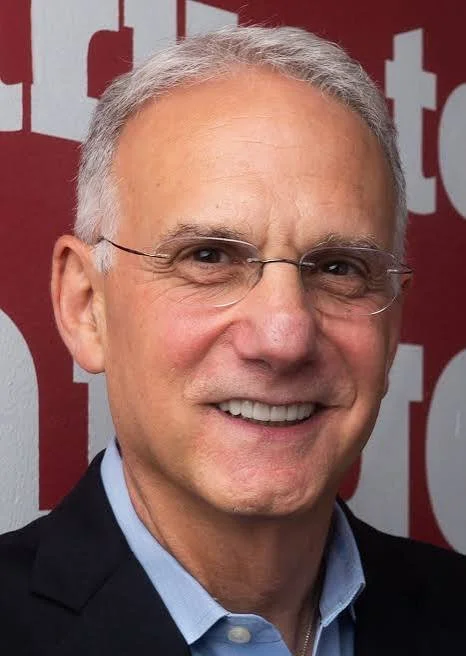
For 35+ years, Rich Harwood (founder of the Harwood Institute) has devoted his career to revitalizing the nation’s hardest-hit communities, transforming the world’s largest organizations, and reconnecting institutions to society. His innovative philosophy of Civic Faith and Turning Outward practice have spread to all 50 states and 40 countries worldwide. He has been recruited to solve some of the most difficult problems of our time, including being called into Newtown, Connecticut, after the massacre at Sandy Hook Elementary School. He has appeared in numerous national media outlets, has written scores of articles and groundbreaking reports, and nine books, including his newest release, The New Civic Path: Restoring Our Belief in One Another and Our Nation.
Related Content:
Edmondson, Amy C. The Fearless Organization: Creating Psychological Safety in the Workplace for Learning, Innovation, and Growth. Hoboken, NJ: John Wiley & Sons, 2018.
Harwood, Richard C. The New Civic Path: Restoring Our Belief in One Another and Our Nation. Studio Books, 2025.
Hoffman, Bryce G. American Icon: Alan Mulally and the Fight to Save Ford Motor Company. Crown Business, 2012.
Futernick, Ken. “The Civility Trap.” The Fulcrum, May 2, 2026.
The Extraordinary Transformation of a City and Its Schools. Two-part podcast series with Rich Harwood about Reading, Pennsylvania.