
The Extraordinary Transformation of a City and Its Schools—Part 1: Building a New Civic Culture
Episode Notes
When the pandemic struck Reading, Pennsylvania, its school system was already under enormous strain. The Reading School District—the poorest in the state—served 16,000 students, many of whom faced daunting barriers long before COVID arrived. Hundreds were homeless. Thousands stopped showing up to class. Teachers and principals were stretched thin. Community trust was low. And after years of missed opportunities and stalled reforms, many inside and outside the district believed real improvement was impossible.
Part 1 of this two-episode series is a story about how that belief began to change.
Host Ken Futernick speaks with Rich Harwood, founder of the Harwood Institute, and a wide range of local leaders who were determined to help Reading’s schools move from crisis to renewal. What unfolded wasn’t driven by a new curriculum, a flashy turnaround model, or a mandate from the outside. It started with something much simpler—and much harder: listening to the people who rely on the school system every day.
Through dozens of conversations with parents, students, educators, and community partners in both English and Spanish, Harwood’s team discovered that residents weren’t focused on culture-war debates. They cared about whether children felt safe, supported, seen, and prepared for the future. Those conversations revealed key community priorities for improving the city’s schools.
You’ll discover:
How Reading’s school board struggles, high poverty levels, and pandemic disruptions left educators feeling isolated and overwhelmed
Why attempts at school reform had failed to take root—and how turning outward toward the community created space for new solutions
The pivotal moment when Superintendent Jennifer Murray confronted stark feedback from the community, first with defensiveness, then with humility and resolve
How her leadership helped shift the district’s mindset from “these are our buildings” to “these are the community’s schools”
How educators, nonprofits, and civic leaders began dismantling silos that had long kept them from working together effectively
Rather than focusing solely on classroom instruction or policy changes, Reading’s transformation would come from a new civic culture emerging—one in which schools are not expected to fix everything alone, and in which community partners see themselves as co-owners of students’ success.
This is a story of a school system rediscovering its purpose by reconnecting with the people it serves. It’s a reminder that meaningful and sustainable school improvement requires trust, collaboration, and a willingness to hear the hard truths.
In Part 2, we follow the concrete initiatives that emerged from this shift, including expanded after-school programs, a reimagined approach to English-language support, and a renewed commitment to early childhood education—each led by educators and community groups working in sync instead of in isolation.
Link to Study Guide:
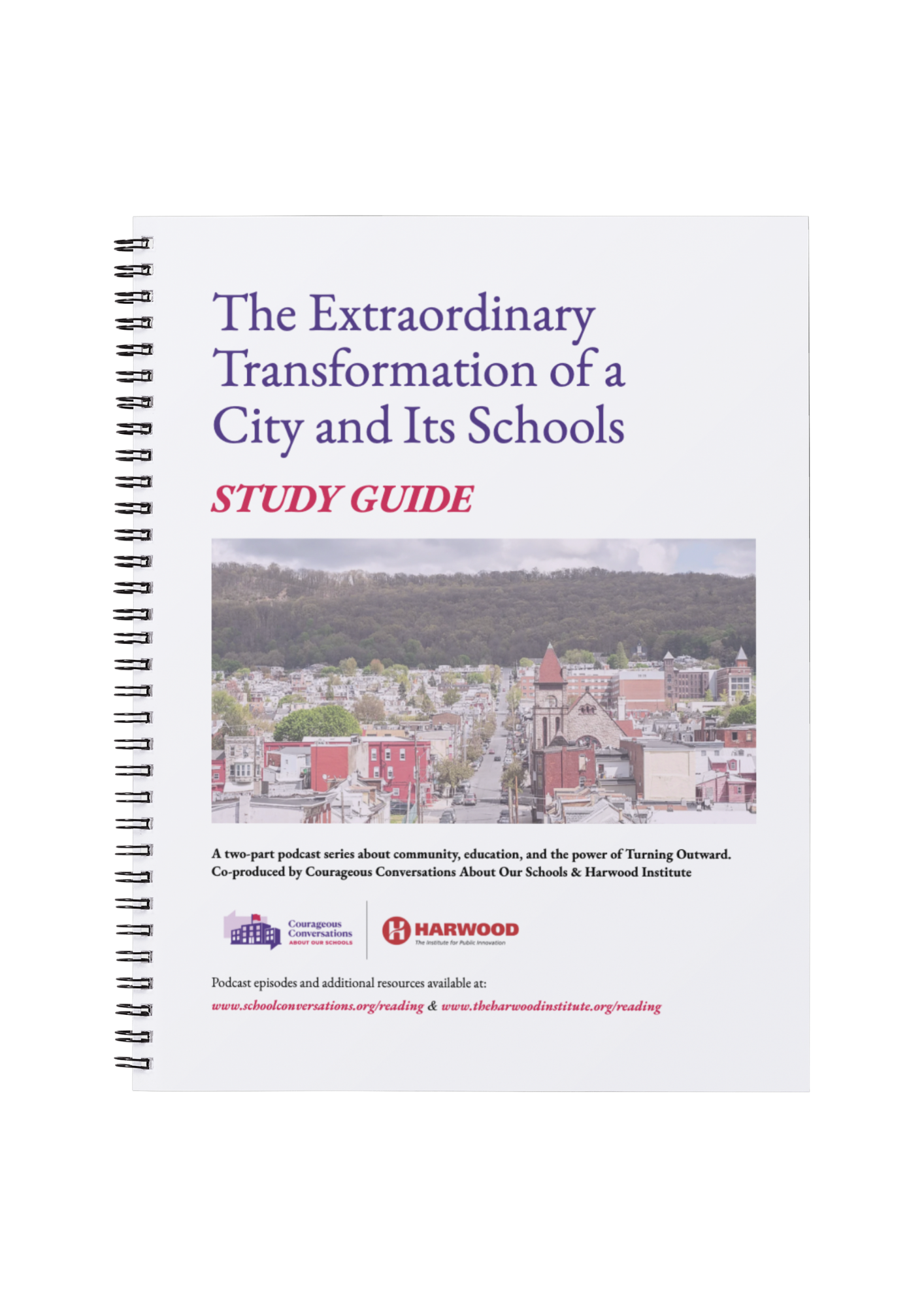
DOWNLOAD THE STUDY GUIDE FOR THIS SERIES
The free Study Guide distills the key lessons from Reading and offers practical steps for leaders anywhere to begin turning outward—listening more deeply, building small wins, and strengthening civic culture one action at a time.
Key Learnings
-
Part 1, 06:38–08:04 and 15:16–17:35)
When Rich Harwood and his team first came to Reading, they didn’t start with a plan — they started by listening. They talked to residents in both English and Spanish and asked simple, open questions like: “What are your aspirations for your community and your kids?”
“Not a single individual mentioned issues that you would hear in the culture war debates. What they talked about was where their community was, where they wanted their community to go.” — Rich Harwood (Part 1, 07:10)
The first thing that people had to do was not to develop plans. It was not to go out and find more money. It was not to run some kind of regression analysis. It was not to look at best practices from some other community, all things that we all do reflexively and religiously in trying to create change in communities. They did something different. They stopped. They decided that they're going to have to go and engage more people more deeply around their agenda items… and really deeply understand what it was that really mattered to them. – Rich Harwood (Part 1, 15:30)
Example: Residents identified nine shared priorities related to education — none of them rooted in partisan or ideological issues.
-
(Part 1, 09:40–12:08)
Before the Harwood initiative in Reading, many civic groups, nonprofits, and schools were fragmented and working in silos. Pastor Steve Ohnsman described it this way:
“We were all doing good work, but in silos… six people doing the same thing, redundancies everywhere.” (Part 1, 12:50)
“The difference with the work … with Harwood is we saw something we all wanted. They brought so many agencies together, they brought community members together. They put us all in one room and said, Let's figure it out. That was a starting point of unleashing the impact here.” - Migdalia Garcia (Part 1, 14:16)
Why does this happen? When under stress, people hunker down and look inward — protecting their turf instead of collaborating.
Example: The United Way, Centro Hispano, school district leaders, and local faith groups moved from getting together to working together, reducing duplication and aligning efforts around what really mattered to people. What emerged were teams that began focusing on after-school programs, providing support for residents for whom English was a second language, and strengthening early childhood education programs.
-
Part 2, 25:23–27:36)
Instead of crafting comprehensive plans, Reading’s leaders focused on small, visible wins that proved progress was possible.
“Resistance starts to go away when people see proof that things are actually happening in a different way.” — Rich Harwood (Part 1, 26:18)
“Start small to go big. Look, I want big systemic change like we created in Reading, but it all started in small ways. So release yourself from the burden that you have to create big, comprehensive change overnight and just focus on one small thing that you can get moving on, and use that as a way to catalyze a larger, ever-growing chain reaction of efforts over time. – Rich Harwood (Part 2, 30:24)
Examples: Schools opened their doors for after-school programs to come back in. ESL programs launched in churches. Each small win built trust and momentum.
-
Part 1, 17:35–21:00)
When Superintendent Dr. Jennifer Murray first saw the Harwood community report, she felt defensive.“It hurt. It stung… But then I came back the next day and decided to read it as a launchpad to help us do better.” (Part 1, 19:47–20:56)
“To Dr. Murray's credit, she's one of the braver leaders I've worked with…She listened to us, she listened to the community… She stayed at the table and kept engaging.“ Rich Harwood (Part 1, 20:56):
Murray’s willingness to stay engaged — to move from defensive to open — became a model for other leaders.
Example: Murray reframed school buildings as “the community’s buildings” and encouraged principals to share space for after-school programs.
-
Part 1, 13:38–14:16)
Pastor Steve Ohnsman put it plainly:“It seems like people always want credit. When you want credit, it’s hard to share the limelight.”
The turning point came when organizations realized that lasting progress required shared responsibility.
Example: Education, civic, and faith leaders began celebrating group success instead of individual recognition, shifting the focus from ego to impact.
-
Part 2, 26:31–28:16)
In just a few short years, hope had become visible again.“The more people that want to join in, the more contagious it becomes, the more momentum you build.” — Rich Harwood (Part 2, 27:50)
When I asked people What are you creating here? They said we are creating a new sense of pride in a community that had lost pride, that we're creating a new sense of hope in a community that had lost hope. – Rich Harwood (Part 2, 26:31)
“Seeing folks who have seen our work want to get involved is enough for me to say that they're hopeful for our future.” - Migdalia Garcia (Part 2, 27:36)
Example: Partnerships among schools, families, and nonprofits sparked new energy — parents and families came back into the community, groups worked together in new ways, and a new trajectory of hope began to take hold in Reading.
Related Links:
Harwood Institute Report: Reading Thriving, Together: A New Agenda for Education and the Community
Harwood Institute Report: Reading's Ripples of Change: A New Culture of Shared Responsibility
Featured Guests:

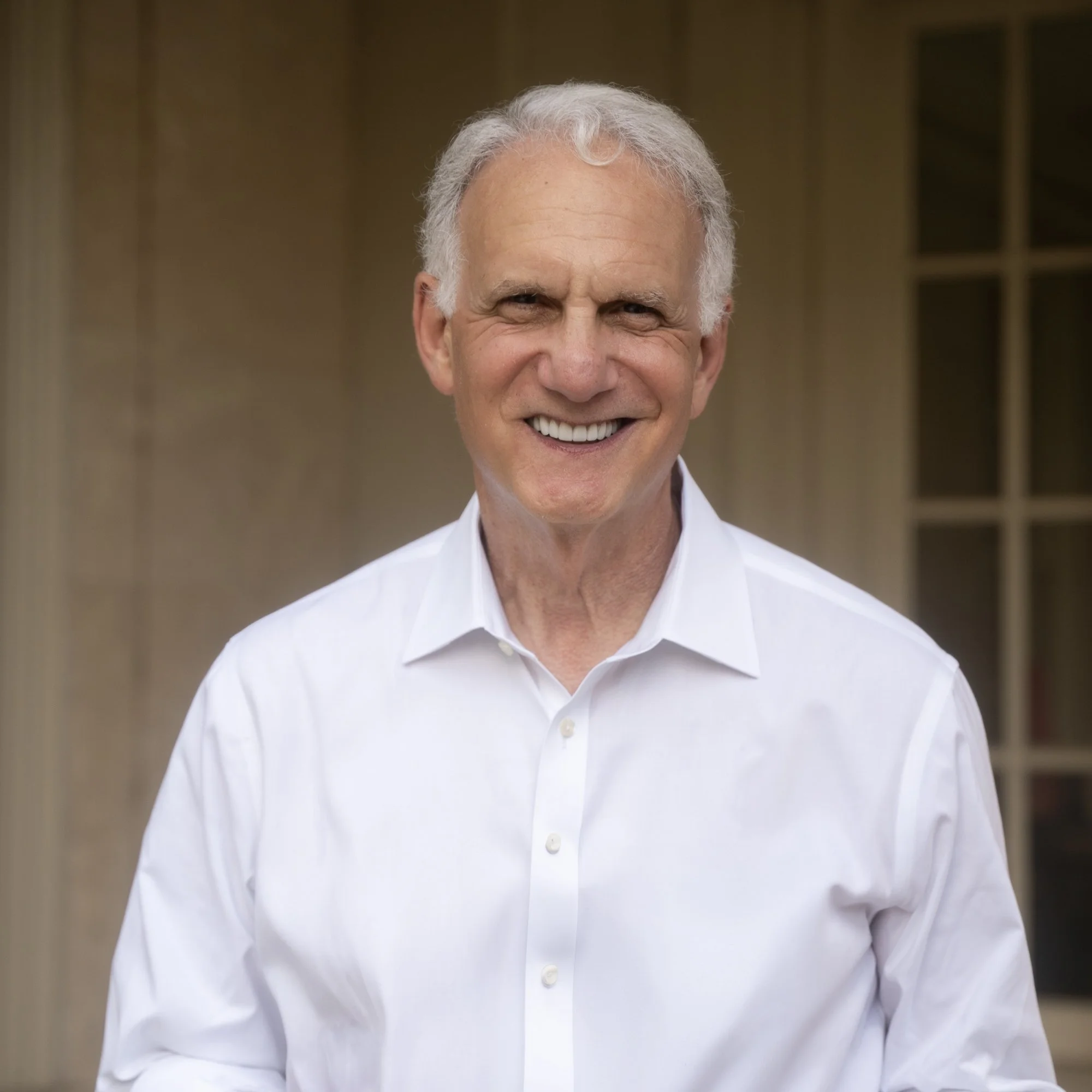
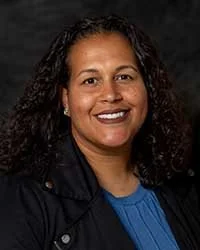
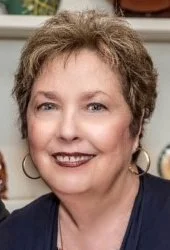
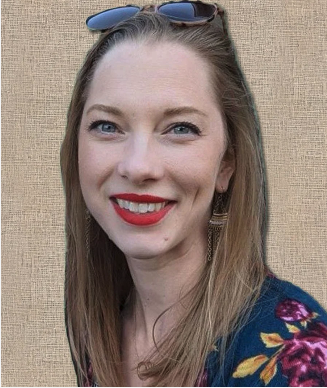
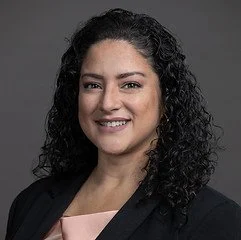
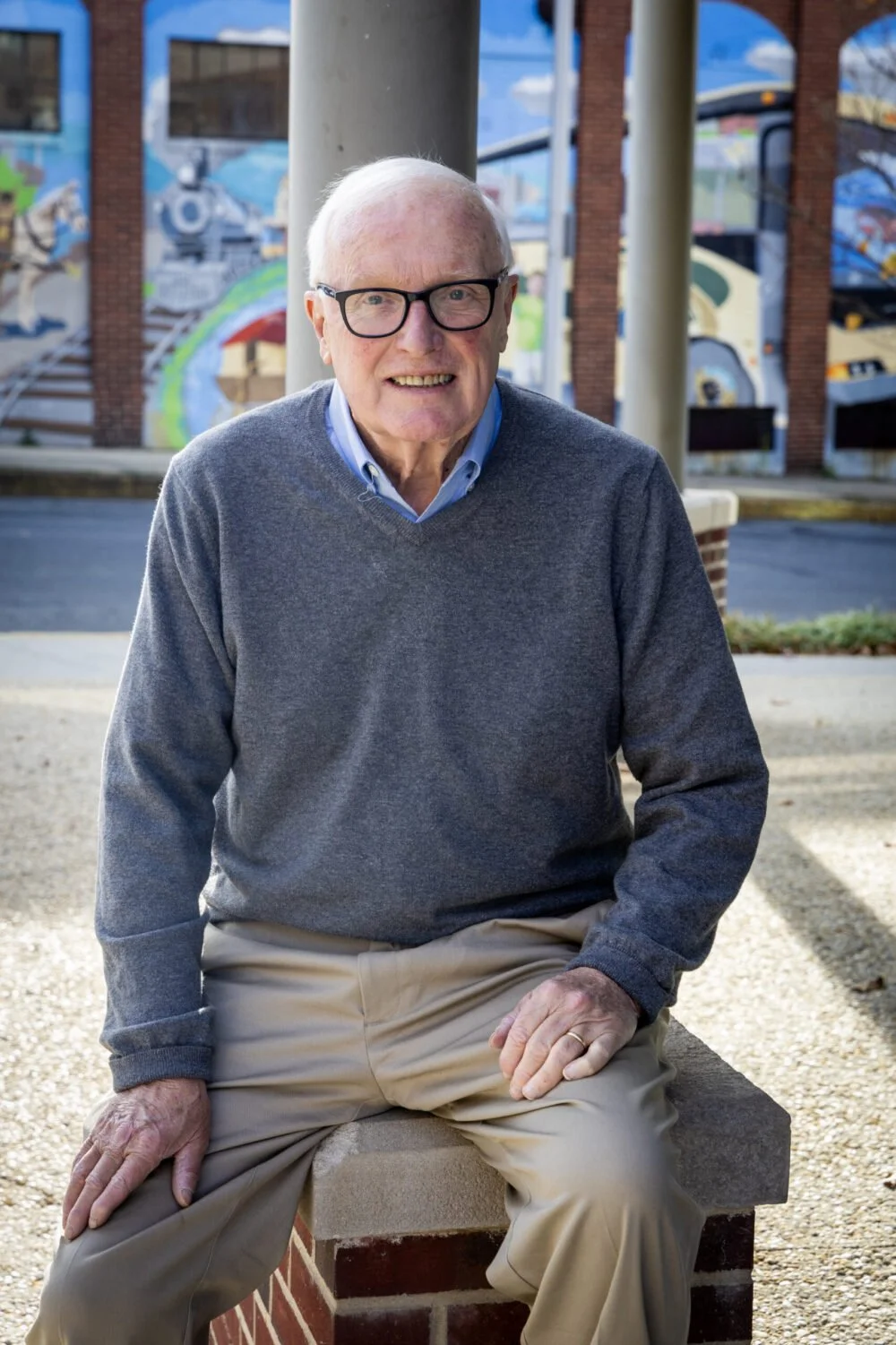

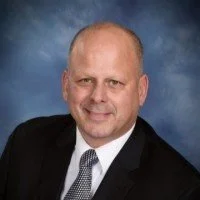
Ken Futernick is the host and producer of Courageous Conversations About Our Schools
Rich Harwood is the President and Founder of The Harwood Institute for Public Innovation.
Ashley Chambers is the Senior Vice President of Community Impact at the United Way of Berks County.
Karen Rightmire is the Chief Strategy Officer at the Wyomissing Foundation.
Laura Cordero is the Director of Community Impact at Centro Hispano.
Dr. Jennifer Murray is the former Superintendent of Reading School District.
Migdalia Garcia is the Director of Programs for Communities in Schools of Eastern Pennsylvania.
Dave Myers is the Executive Director of the Berks Alliance.
Michael Toledo is the President and CEO of Centro Hispano.
Steve Ohnsman is the Pastor of Calvary United Church of Christ in Reading, PA.
Spread the Word:
If this series inspired you, we hope you will help us spread the word. Download the media kit to share quotable moments, images, audiograms, and more. They are perfect for embedding in a blog post, sharing on social media, or including in an email to friends and colleagues.
Press Contact:
For media inquiries, interviews, or additional information, please contact:
Ken Futernick, Founder & Host at ken@courageousconversations.org
Natalie Millanes, Communication & Marketing Manager at natalie@schoolconversations.org