

Episodes about Politics in the Classroom
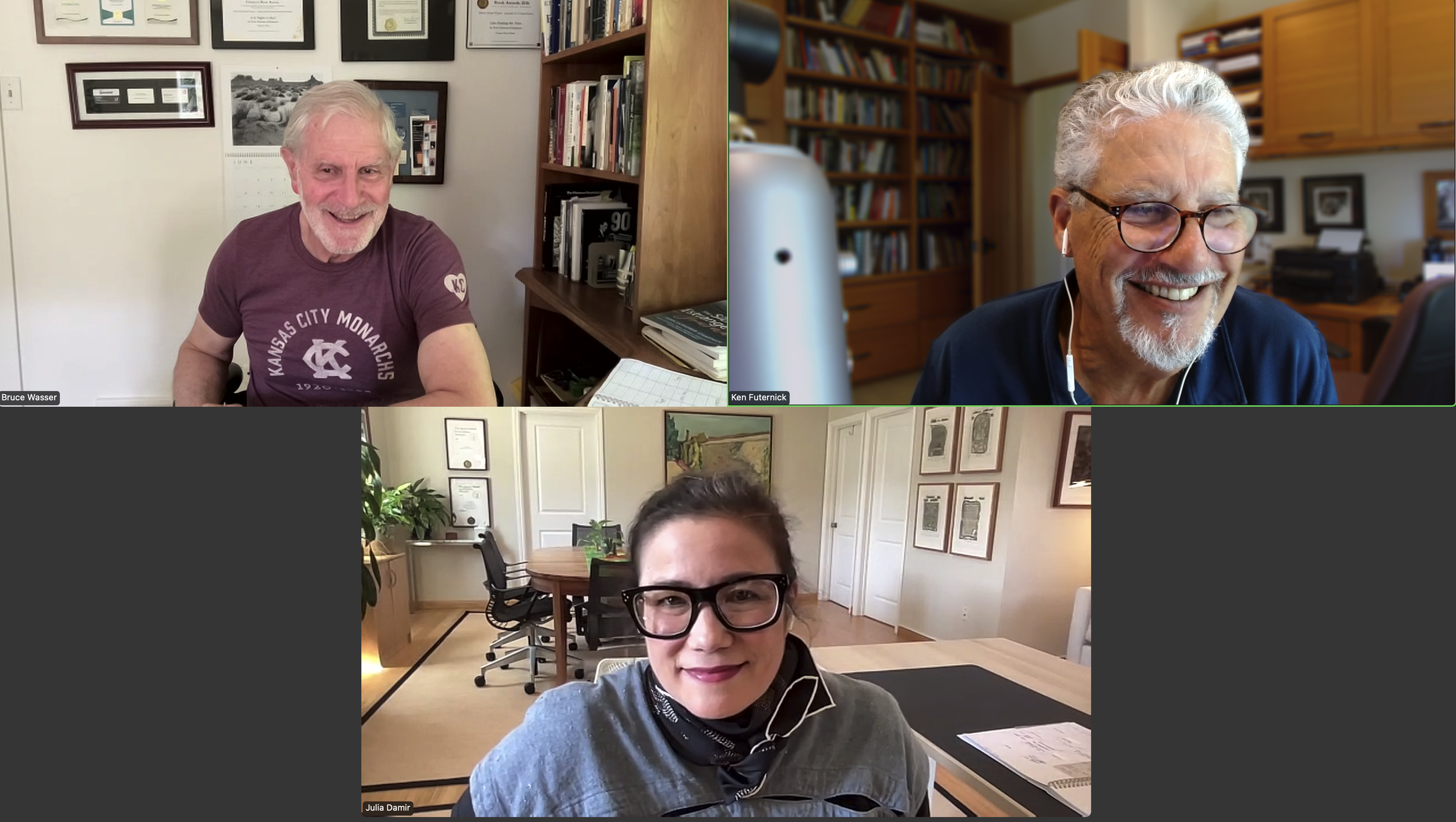
In this episode, host Ken Futernick sits down with Bruce Wasser, a former history teacher whose life story is as inspiring as his teaching career. Bruce shares his poignant journey from being a conscientious objector during the Vietnam War to becoming a beloved educator who had a profound impact on his students. Listen as Bruce recounts the pivotal moments that shaped his life, including the influence of his high school basketball coach and the challenges he faced in standing up for his beliefs. The episode also features Julia Damer, a former student of Bruce's, who shares her experiences in his classroom and the lasting impact he had on her life. The conversation highlights the reciprocal influence between teachers and students, as well as the enduring power of education to inspire change.


School mission statements across the county commonly included language about Diversity, Equity, and Inclusion. DEI training for educators was also common. But that’s changed in recent years as school culture wars erupted around the books students have access to: how students learn about history, race, and gender identity, and anything that smacks of “woke” ideology.


Brown had no intentions of battling his parents over their anti-LGBTQ views until, that is, he viewed a viral video of his mother demanding that a local school board in Texas remove library books that she considered pornographic or that promoted LGBTQ themes. She also urged the Board to have a local pastor decide which books should remain in the schools’ libraries.
In this episode, Brown describes the painful estrangement from his parents and siblings and why he decided to speak out against his mother’s efforts to ban books in public school libraries.

Lawmakers in some states have enacted new policies that prevent or discourage teachers from discussing current events, controversial topics, and in some cases to study anything that causes students to feel “uncomfortable.” Others believe schools are an important place for students to learn about the events that impact their lives, their communities, and their country and that teachers can (and should) do this in a non-partisan manner.

America’s culture wars are driving great teachers out of the classroom, exacerbating a shortage that has reached critical levels in most states. The story of Willie Carver, Kentucky's Teacher of the Year for 2022, is especially tragic. He was honored at the White House along with 49 other outstanding teachers this past spring. He was beloved by his students and colleagues. But Carver was also an openly gay teacher and became weary (and fearful) of the unrelenting hostility toward LGBTQ educators and students at his school.
In this episode, Carver explains the conditions that led to his painful decision to leave Montgomery County High School. Carver said he became a teacher so that every student could believe in their own worth and potential, a mission his students say he successfully achieved and one he still hopes to promote outside of the classroom.

On one side of this issue are those who believe discussions about gender and sexual identity shouldn’t take place in the classroom.
On the other side are those who believe that as students learn about diversity and respect for others in school, they must learn about differences in gender and sexual identity. Many also argue that LGBTQ students must have a safe and supportive learning environment, especially given the high number who suffer emotionally and socially as a result of bullying and prejudice.
The central questions guiding this Courageous Conversation are this: What role should schools play regarding policies, instruction, and classroom discussions related to sexual and gender identity? How can schools respect the rights of parents while also ensuring that students are well-supported and have a safe place to learn?

Education board rooms across the country have recently become battlegrounds over mask and vaccine mandates, how history should be taught, and how race and racism should be studied. Amidst these contentious debates are concerns among some that too many educators are indoctrinating their students with partisan viewpoints. But what does it really mean to indoctrinate and is it always undesirable or undemocratic?


In this Courageous Conversation, host Ken Futernick and Dr. Jonathan Zimmerman, a professor of History of Education at the University of Pennsylvania, delve into the heated debates surrounding American schooling.